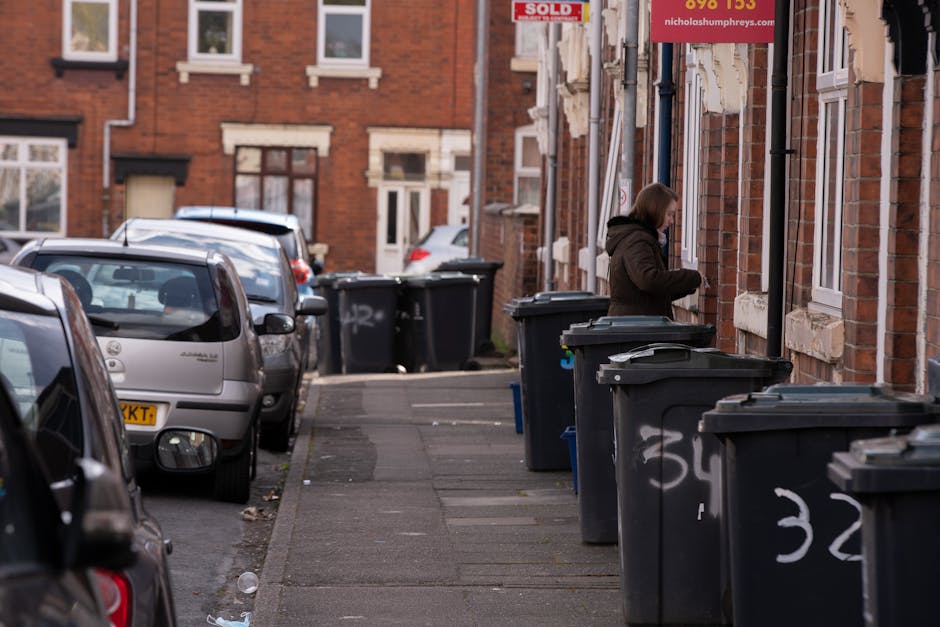
Rubbish collection near Sidcup Station what to know

If you are sorting out waste near Sidcup Station, you probably want the same thing most people want: a straightforward collection, no drama, and no surprise delays when the bags are sitting by the door. Rubbish collection near Sidcup Station what to know is really about making the job easy, legal, and cost-effective whether you are clearing a flat, tidying a shop unit, or dealing with a pile of building rubble after a weekend project.
The tricky part is that rubbish collection is not one-size-fits-all. A quick household clear-out, a bulky item pickup, and a trade load from a renovation all have different needs. Traffic around the station, limited access, and parking pressure can matter too. In this guide, we will walk through the practical stuff: how collection works, what to check before booking, which service type fits your waste, and the mistakes that cause the most hassle. Simple enough. But worth getting right.
Why rubbish collection near Sidcup Station matters
Near a busy station, rubbish collection is not just about getting waste off-site. It is also about timing, access, and keeping the street usable for everyone else. If you have ever tried to manoeuvre bags, boxes, or a sofa past parked cars at peak times, you will know the feeling: it can go from easy to awkward very quickly.
Sidcup Station is surrounded by homes, small businesses, commuter traffic, and regular footfall. That means a collection service has to think about more than the waste itself. The crew may need to work around narrow roads, shared driveways, loading restrictions, or tight arrival windows. For some jobs, a traditional load-and-go pickup is perfect. For others, you may need a smarter method such as wait and load skip hire or a full rubbish removal service.
It also matters because waste is not all the same. A bag of old clothes is one thing. Plasterboard, broken tiles, a fridge, or mixed renovation waste is another. If you match the collection method to the waste stream, you are far less likely to face awkward delays, extra charges, or a return visit. And let's face it, nobody wants to be standing on the pavement at 7:30 a.m. wondering why the collection team cannot take half the pile.
Expert summary: The best rubbish collection near Sidcup Station is usually the one that fits your access, waste type, and timing, not simply the cheapest quote on paper.
How rubbish collection near Sidcup Station works
In practice, rubbish collection follows a fairly simple pattern. You describe the waste, confirm the access, choose a collection method, and book a slot. The detail matters, though. Good providers will want to know what you are throwing away, roughly how much there is, and whether they can reach the load easily.
For many homes and small clearances, a van-based collection is the fastest option. If the waste can be gathered at the front of the property or in an accessible driveway, a team can load it by hand and take it away. That is often ideal for one-off clearances, bulky items, or mixed household waste. If you have a larger or heavier load, you might compare it with man and van collection or a container-based service.
Where the site is tight or the waste is more cumbersome, a wait-and-load arrangement can save time and reduce street obstruction. A team arrives, waits while you fill the load, then takes everything away in one go. That tends to work well near busier roads because it avoids leaving a container on-site for hours.
For larger renovation or building jobs, some customers choose a skip instead. If that sounds more suitable, it is worth reviewing skip hire, skip sizes and prices, and the guidance on what can go in a skip before deciding. Different waste types, quantities, and site conditions push you toward different solutions. That is normal.
Booking is usually easiest once you have a rough list of what is being removed. If you are dealing with mixed items, it helps to separate them in advance. If it is a same-day job and the place is a bit chaotic, just say so. A decent operator would rather know up front than discover a mystery pile halfway through the job.
Key benefits and practical advantages
The most obvious benefit is convenience. You do not need to hire a van, make multiple trips, or spend your evening loading waste into your car because the council tip queue looked like a small festival. A properly arranged collection saves time, energy, and usually a fair bit of backache too.
There are other benefits that are easy to overlook:
- Better access control: You can choose a service that suits a station-area street, shared driveway, or narrow entrance.
- Cleaner handover: Waste is removed in one scheduled visit rather than left sitting around.
- Less disruption: Good timing keeps neighbours, tenants, and passers-by happier.
- Clearer pricing: A defined collection scope often makes it easier to understand what you are paying for.
- More responsible disposal: Reputable operators separate recyclable materials where possible and avoid shortcuts.
For commercial customers, rubbish collection near Sidcup Station can keep a business moving. A shop refit, office declutter, or stockroom clear-out can be handled without shutting the place down for the day. In those cases, services such as office clearance and commercial skip hire may be part of the conversation, depending on scale.
For domestic customers, the advantage is more personal. You get your room, loft, garage, or hallway back. That sense of reclaiming space is underrated. It changes how a home feels.
Who this is for and when it makes sense
This kind of rubbish collection suits a lot of different situations, and not only major clear-outs. In our experience, people often wait too long before booking because they assume the job is too small. It usually is not.
It makes sense if you are:
- clearing out a flat, house, or shared property near the station
- disposing of bulky household items such as an old mattress or sofa
- moving office furniture, archive waste, or packaging
- doing a bathroom, kitchen, or light renovation project
- removing garden cuttings, soil, or broken outdoor materials
- dealing with builders' rubble after refurbishments
- trying to avoid a skip permit because the site has limited frontage
It also makes sense when you need a quicker turnaround than a standard skip delivery and collection cycle can offer. If the job needs to happen today, or close to today, take a look at same day skip hire as well as rubbish removal. One may fit better than the other depending on what you are clearing and how quickly it must happen.
For smaller domestic projects, domestic skip hire is often a practical middle ground. For heavier builder-style waste, the choices narrow a little, and you may need a more specialised service. That is where the conversation becomes less about "can it be taken?" and more about "what is the cleanest way to take it?".
Step-by-step guidance
If you want the process to run smoothly, a bit of prep goes a long way. You do not need to overcomplicate it, but a tidy plan helps.
- Sort the waste into broad categories. Keep general rubbish, bulky items, recyclables, and anything potentially hazardous separate.
- Estimate the volume. A couple of bin bags is very different from a full room clearance. If you are unsure, err on the side of a slightly larger estimate.
- Check access. Can a van stop nearby? Is the lift usable? Are there stairs, restricted gates, or a tight courtyard?
- Look for special items. Fridges, mattresses, sofas, confidential paperwork, and electrical waste often need specific handling. You can review dedicated options such as fridge and appliance removal, mattress and sofa disposal, and confidential shredding.
- Decide whether a skip or direct removal works better. If your property can take a container, compare it with direct collection.
- Ask about permits if the skip may sit on a public road. See skip hire permits and skip permits for the practical basics.
- Book a time window that matches your day. If traffic or access is unpredictable, allow a little breathing room. It saves stress.
- Prepare the load before arrival. Keep the path clear, open gates, and group items as best you can.
A small but useful habit: take a quick photo of the waste before collection. It is not essential, but it can help if you need to confirm what was included. One minute now can save a five-minute misunderstanding later. And frankly, five minutes matters when you are in the middle of a clear-out.
Expert tips for better results
There are a few things that consistently make rubbish collection smoother near transport-heavy locations like Sidcup Station.
First, be precise about what you have. "Mixed rubbish" is fine as a starting point, but the more detail you can give, the better. Broken furniture, plasterboard, cardboard, wood, soil, and electrical items all behave differently in a load. That affects labour, disposal route, and sometimes price.
Second, think about the load order. Put flatter, lighter, and less awkward items together if you can. If the crew can lift and stack efficiently, the job usually finishes sooner. It sounds obvious, but a little organisation makes a surprising difference.
Third, keep an eye on access in daylight. Early morning or late afternoon collections can be fine, but near the station those times can be busy. If possible, aim for a window with less foot and vehicle movement. You will notice the difference straight away.
Fourth, do not hide problem items. If there are fridges, paint tins, gas canisters, asbestos-related materials, or anything you are unsure about, ask before booking. For items that need separate handling, use the relevant service page rather than hoping for the best. That is how jobs get delayed. Or bounced. Nobody wants that.
Fifth, choose the method that suits your space. A protected or lockable option may be useful where waste needs extra security. If that is a concern, have a look at enclosed and lockable skip hire. It is not the right answer for every job, but for some sites it is the sensible one.
Sixth, balance speed with sorting. Fast collection is great. But if you spend five minutes separating recyclables first, you may improve the overall outcome. A small effort now can make the disposal more efficient later.
Common mistakes to avoid
Most problems with rubbish collection are predictable. That is the annoying bit. The good news is that they are easy to avoid once you know what to watch for.
- Underestimating the amount of waste. It is common to think a pile is "only a few bags" and discover it is actually two loads and a wheelbarrow's worth.
- Ignoring access restrictions. A van may not be able to stop exactly where you imagined. Parking, kerbs, stairs, or timing can all change the plan.
- Mixing prohibited or risky items into general waste. Hazardous waste needs its own route. Do not wedge it into a normal load and hope nobody notices.
- Forgetting about permits. If a container needs to sit on the highway, this is not something to leave until the last minute.
- Booking the wrong service type. Some jobs are better suited to direct collection, others to a skip, and others to grab equipment.
- Leaving everything to the last second. A tidy pre-sort on the day is far less stressful than "we can sort it when they get here." That usually becomes a scramble.
Another one people miss: overfilling or overpacking. If you are using a skip, there are limits. If you are using a collection team, make sure what is being removed can be lifted safely. It is not about being awkward; it is about keeping people safe and avoiding damage.
Tools, resources and recommendations
You do not need a long checklist of tools to arrange collection, but a few simple things help.
- Bin bags or heavy-duty sacks: Useful for general waste, but do not overload them.
- Labels or tape: Handy if you are separating recyclable items, paperwork, or items to keep.
- Gloves and basic protective gear: Good for sorting lofts, garages, and garden waste.
- A tape measure or rough room estimate: Surprisingly useful when choosing between services.
- Quick photo notes on your phone: Helpful for confirming the load and access.
For service comparison, these pages are especially useful: skip sizes and prices, pricing and quotes, and book online. If you want a broader overview of what the business covers, about us and recycling and sustainability can be helpful too.
If you are dealing with building waste, the most relevant starting points are builders waste removal, builders skip hire, and construction waste disposal. For bigger, messier clearances, demolition waste removal, site clearance, and muck away services may be more appropriate. Not glamorous, but useful.
Law, compliance, standards, or best practice
Waste collection in the UK needs to be handled properly, even when the job looks small. The main principle is simple: waste should be collected, transported, and disposed of by a responsible operator using suitable controls. You do not need to be an expert in waste law to book a collection, but you do need to avoid risky shortcuts.
Best practice usually includes:
- checking what types of waste are accepted before collection
- separating hazardous or specialist waste from general rubbish
- keeping access routes safe and clear for the crew
- using the correct container or collection method for the load
- following instructions on skip filling, loading height, and restricted materials
If you are storing waste temporarily, keep it stable, dry where possible, and away from trip hazards. For business customers, it is wise to keep records of what was removed and when, especially for regular collections. That is just good housekeeping, really.
Where privacy and security matter, services like confidential shredding can help protect sensitive documents. Where appliances or bulky household items are involved, separate handling is usually the better option than forcing everything into one mixed load.
And a note on hazardous waste: if you are not sure whether something is hazardous, do not guess. Ask. It is better to pause for a minute than create a problem that needs a special collection later.
Options, methods, or comparison table
Choosing the right method depends on access, speed, and the kind of rubbish you have. Here is a simple comparison to make the decision easier.
| Method | Best for | Pros | Watch-outs |
|---|---|---|---|
| Rubbish removal | Mixed household or bulky waste | Fast, flexible, minimal fuss | Needs clear access and accurate description |
| Wait and load | Tight streets or no-long-stay areas | No container left behind, efficient turnaround | Requires the load to be ready within the agreed time |
| Skip hire | Ongoing projects or larger volumes | Great for staged loading, useful for renovations | May need a permit if placed on a public road |
| Man and van | Smaller clearances and direct lift-out jobs | Useful where items can be carried quickly from the property | Less ideal for very heavy construction waste |
| Grab hire | Heavy, bulky, or loose waste in volume | Efficient for bigger clear-ups, especially where access is decent | Needs room for the vehicle and a suitable loading area |
If you are still unsure, think about the shape of the job. One-room clear-out? Probably direct collection. Ongoing refurbishment? Probably a skip or builders-focused solution. Heavy spoil? Grab may be better. It is rarely about the fanciest option. It is about the least stressful one.
Case study or real-world example
Picture a small flat near Sidcup Station after a move-out. There are seven black bags, a broken bedside cabinet, a rolled-up rug, an old microwave, and a sofa that has clearly been doing a bit too much service. The hallway is narrow, the front street is busy in the morning, and there is no space for a container on the road without causing a fuss.
In that sort of situation, a direct rubbish collection often makes more sense than a traditional skip. The customer can group the load near the entrance, the crew can work quickly, and the whole job is done in one visit. If the same flat also had boxes of confidential paperwork and a second appliance to remove, a combined approach might be needed. That could mean adding confidential shredding or fridge and appliance removal to the plan.
Now compare that with a kitchen refit in a semi-detached house nearby. There may be cabinets, tile offcuts, wood, packaging, and plasterboard. Here, a skip or specialist construction waste service is likely the cleaner option. If the waste keeps building over several days, construction waste clearance or builders skip hire could make the site easier to manage.
The big lesson? The best method is the one that fits the property and the waste, not just the one that sounds easiest in theory.
Practical checklist
Use this quick checklist before booking rubbish collection near Sidcup Station.
- List the waste types clearly
- Estimate quantity honestly, not optimistically
- Check for bulky, heavy, or awkward items
- Separate anything hazardous or specialist
- Confirm access, parking, and loading space
- Decide if you need same-day collection or can wait
- Check whether a permit might be needed for roadside placement
- Review pricing and quote details before you confirm
- Prepare the waste in advance where possible
- Keep the path clear for the collection team
If you are booking a larger service, it can also help to review insurance and safety, health and safety policy, and payment and security. Not because every collection is complicated, but because clear expectations make the whole thing smoother.
Get a free quote today and see how much you can save.
Conclusion
Rubbish collection near Sidcup Station is really about choosing the right method for a busy, practical local setting. Once you understand the access, the waste type, and the timing, the rest becomes much easier. That is the heart of it. A good collection should remove stress, not add to it.
If you are dealing with a small domestic clear-out, a bulky item or two, or a trade load after a quick project, there is usually a workable option. Sometimes that means a direct collection. Sometimes it means a skip, a wait-and-load service, or a specialist removal. The smart move is to match the service to the job instead of forcing the job to fit the service.
And if you are still deciding, take a breath, list what you actually have, and work from there. It is a small thing, but it makes a big difference. Honestly, most rubbish jobs get easier once the first plan is out of your head and onto paper.
Frequently Asked Questions
What should I know before booking rubbish collection near Sidcup Station?
Start with the type of waste, how much there is, and how easy it is to access the property. Near a station, timing and parking can matter more than people expect, so it helps to be precise when you book.
Is rubbish collection better than skip hire for a small clear-out?
Often, yes. If you only have a few bulky items or a modest amount of mixed rubbish, direct collection can be quicker and less disruptive than hiring a skip.
Do I need a permit for rubbish collection?
Usually not for a direct collection. Permits are more commonly relevant where a skip or container is placed on a public road. If that is likely, check the permit guidance before you arrange delivery.
Can furniture and appliances be collected together?
Sometimes, yes, but it depends on the service and the items involved. Sofas, fridges, and other appliances may need separate handling, so it is best to mention them in advance.
What happens if I have construction waste rather than household rubbish?
Construction waste often needs a different approach. Builders' waste, rubble, and renovation materials may be better suited to builders waste removal or a skip-based solution rather than a standard household pickup.
Can I put electrical items in general rubbish collection?
Not always. Electrical waste often needs specialist treatment, so it is safer to ask before including it. Fridges and appliances are especially worth declaring separately.
How do I know whether a wait-and-load service is right for me?
If your street is tight, parking is limited, or you do not want a container left outside, wait and load can be a good fit. It works best when the waste is ready to go and can be loaded quickly.
Is same-day rubbish collection available?
It can be, depending on availability and the size of the job. If timing is urgent, look at same day skip hire and direct collection options, then choose the one that suits the load.
What should I do with confidential paperwork?
Use a dedicated confidential shredding service rather than mixing documents into general rubbish. It is the safer option and keeps sensitive information protected.
How can I keep costs under control?
Be accurate about the amount of waste, separate anything special, and choose the method that fits the job. Comparing pricing and quotes with skip sizes and prices can help you avoid paying for more capacity than you need.
What if I am not sure whether my waste is hazardous?
Do not guess. Ask before booking. If it turns out to need specialist handling, you can then look at hazardous waste disposal rather than risking a rejected load.
Where can I learn more about the company's approach?
Pages such as about us, recycling and sustainability, and terms and conditions are useful if you want a better feel for how the service is run and what to expect.